What Causes Dental Bridge Failure?
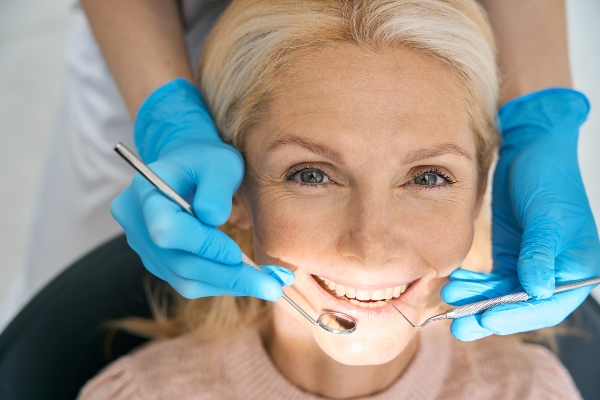
If you are missing a tooth, a dental bridge offers a way to restore bite function and a more natural appearance. This common dental restoration helps you chew and speak with ease by filling the space left by a missing tooth. However, getting good results depends on how well the bridge and its supporting structures are maintained. Exploring the most common reasons why these restorations might struggle over time can help you get the most out of your bridge.
Defining dental bridge failure
A dental bridge consists of two support teeth, known as abutments, and a false tooth in the middle (the pontic). Failure does not always involve the restoration falling out of the mouth. In many situations, failure refers to a loss of fit, the development of a new cavity on a supporting tooth, or damage to the bridge itself. Because this restoration relies on the surrounding teeth for stability, even a small change in the health of the enamel or the gums can compromise the whole framework.
Take a closer look at the most common causes of dental bridge failure below.
Recurrent decay on the supporting teeth
For a dental bridge, the supporting teeth may be outfitted with either dental crowns or wings to anchor the pontic. Decay at the margins of the crowns or around the wings is a leading reason for complications and eventual bridge failure. For instance, even though the porcelain crown covers the top of the tooth, the edge where it meets the gumline is still made of natural enamel. If plaque sits on this edge for too long, a cavity can form underneath the restoration. This softened tooth structure eventually loses the ability to hold the bridge in place, which requires a new treatment plan to address the damage.
A dentist can catch these issues before the tooth structure is too far gone through regular dental exams and X-rays. Good oral hygiene at home is also important for tooth health and bridge stability.
Gum disease and bone loss
Healthy gums are the foundation of any long-term restoration, including dental bridges. Because a bridge is anchored to the bone through the supporting teeth, any loss of that bone threatens its stability. Unfortunately, untreated gum disease can affect the underlying bone and, thus, loosen the bridge framework.
Gums that appear red or bleed during daily cleaning are often the first signs of trouble. While gum disease is mostly painless in the early stages, the damage it does to the bone is often permanent. Visit a dentist as soon as possible if these symptoms occur; they can manage or even reverse gum disease if caught early enough.
Stress from excessive pressure
Dental bridges must tolerate significant chewing forces every day, and excessive pressure from an uneven bite can crack or fracture the bridge’s components. Similarly, nighttime grinding and daytime clenching can place too much stress on the bridge. Over time, this can loosen the cement, chip the porcelain, or weaken the supporting teeth. With timely touch-ups and protective devices such as night guards, a dentist can help the bridge last longer.
Ask a dentist about dental bridge care
A dental bridge is a smart investment in your smile's health and appearance. At Astoria City Dental, we are here to help keep your bridge stable for years to come. If you have any concerns about the fit or feel of your bridge, contact us today.
Request an appointment here: https://www.astoriacitydental.com or call Astoria City Dental at (718) 416-6421 for an appointment in our Astoria office.
Check out what others are saying about our dental services on Yelp: Dental Bridges in Astoria, NY.
Related Posts
A dental crown is a common restoration that provides essential protection and structural support for damaged or weakened teeth. Over time, even the most durable dental crown can experience wear, misalignment, or develop issues that compromise your oral function and health. Here are five signs that indicate it is time to replace or refit a…
Dental implants often beat out other tooth replacements due to their natural appearance and durability. Although getting them can be a lengthy process, many patients find it a worthwhile one. Proper preparation can contribute to a smooth experience and optimal results. Understanding each phase of the process, making necessary lifestyle adjustments, and following professional recommendations…
Dental implants provide a durable and natural-looking solution for missing teeth. This popular teeth replacement option can last many years with proper care, improving the function and appearance of your smile. Practices like following a good oral hygiene routine, adopting healthy lifestyle habits, and scheduling regular follow-ups can all help contribute to the overall longevity…
Dental implants can prevent tooth loss from affecting oral health, facial structure, and overall quality of life. While tooth replacements like traditional dentures and dental bridges provide functional and aesthetic improvements, implants offer superior advantages in durability, jawbone preservation, and smile aesthetics. Understanding these benefits can reveal whether dental implants are your best option for…